Radio HearMe.fm - Baroque Period
Start the live broadcast and listen as you browse the entire directory.
Previously played:
- Berlin Chamber Orchestra, H.W. Wätzig, V. Negri, J. Tate - Concerto a 5 in B flat, Op.7, No.3 for Oboe, Strings and Continuo [T. Albinoni]
- Freiburger Barockorchester Consort - Sonata No.7 a cinque C - Dur [H.I.F. Biber]
- Musica Amphion, Pieter-Jan Belder - Sonate da chiesa a tre (Trio Sonatas) (12), for 2 violins, cello (or archlute) & organ, Op.3 - Sonate 1 in F major [A. Corelli]
- English Chamber Orchestra, Richard Bonynge - Teseo, HWV 9 - Overture [G.F. Handel]
Information about Radio HearMe.fm - Baroque Period
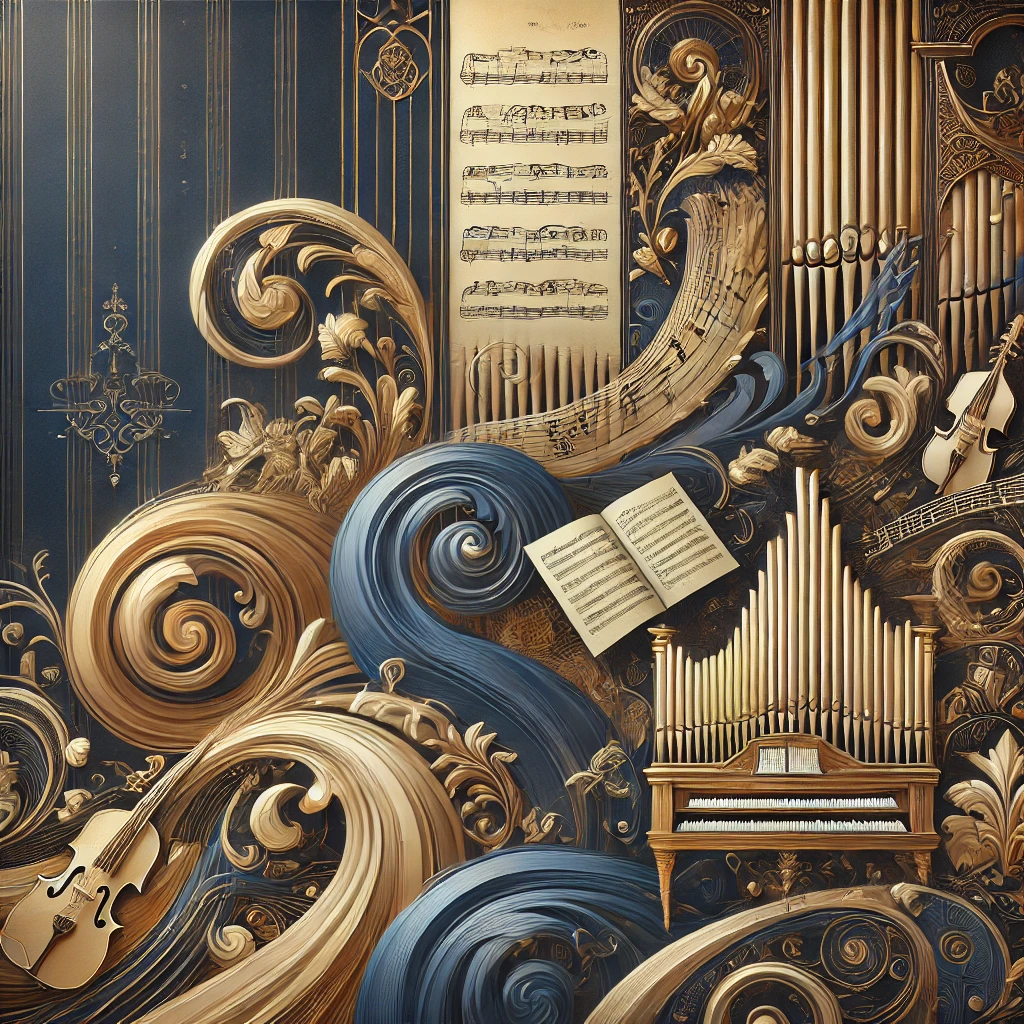
Radio HearMe.fm - Baroque Period concentrates on music associated with the era from approximately 1600 to 1750. This classical radio channel's theme encompasses concertos, sonatas, suites, keyboard music and sacred writing, linked by contrapuntal detail, ornamented melody and expressive contrast. Harpsichord and organ colours are part of the period's musical setting alongside strings and other ensemble voices. The historical focus gives listeners a route into the variety of Baroque music, from closely balanced chamber textures to works with a fuller, more ceremonial character.
Counterpoint offers an absorbing way to listen. One melody may enter while another continues, so that several independent lines create the texture together. A repeated bass pattern can give those changing parts a firm foundation, while ornamentation adds shape to a phrase. Following an individual line for a moment, then hearing it within the ensemble, reveals how movement and balance arise from the interaction between the different voices and instruments. The resulting texture may be heard as several separate voices or as one larger harmonic shape, giving the listener a choice of perspective.
Contrasts of scale are another way into the channel's Baroque theme. A solo passage can bring one instrumental voice into clear focus before a fuller ensemble replies. Dance-derived rhythms give formal writing an audible sense of movement, while organ and harpsichord colours offer different approaches to resonance and attack. The connection between these settings is the period's musical language rather than the size of the ensemble. It allows listeners to enjoy the detail of one phrase while also following the larger exchanges that give a piece its shape.
- Broadcaster
- HearMe FM Limited
- Address
- Unit 18, Edgemark Novus Business Centre, Judson Road, Durham, SR8 2QJ, United Kingdom
- info@hearme.fm
Are these details out of date or incomplete? Suggest a correction
Horizontal advertising space